 Client portal


 Insights
NSW's Data Centre push: key planning and environmental considerations
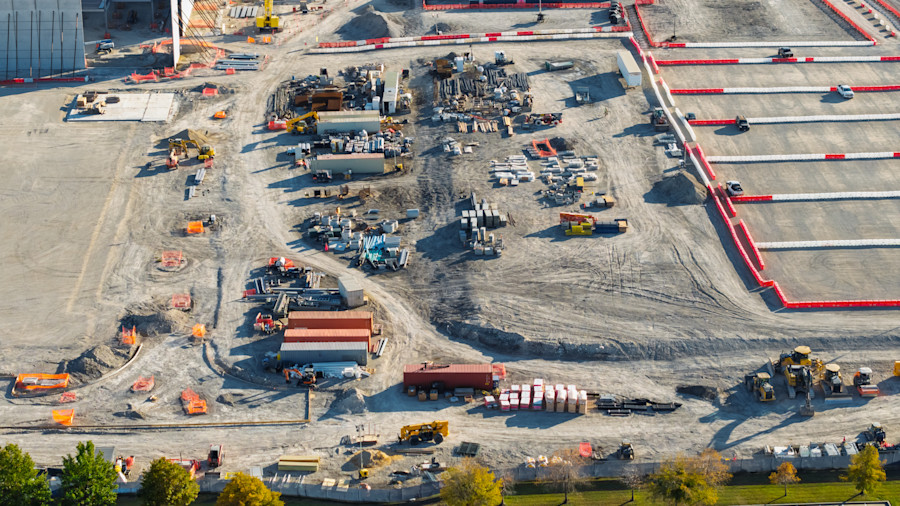
The NSW Government released a Consultation Paper on Data Centres on 27 March 2026 that outlines five key principles to balance the growth of the data centre sector with the increasing demand for water and electricity from the sector. On the same day, the Government signalled its commitment to the sector by identifying 15 data centre projects in the Sydney region to be endorsed in Round 1 of the Investment Delivery Authority (IDA), the new government body tasked with identifying and removing barriers that may hinder the successful delivery of major projects.
The five key principles outlined in the Consultation Paper are as follows:
- Investment in data centres should enable a wider technology ecosystem that drives job creation and propels economic growth
- Data centre developers and operators need to fund their infrastructure requirements, in addition to what is already planned and funded, so as to not increase prices for households
- Data centres need to be efficient and make sustainable use of our energy and water systems as well as the environment
- Data centre approval and compliance must be based on reliable and transparent data
- Regulatory and planning settings must take account of differences in the size and location of data centres, and community needs.
The Government is inviting feedback from industry and other stakeholders over the next 6 weeks on how the principles outlined in the document can be achieved.
In particular, the Government is seeking feedback on how the large-scale data centre sector can be sustainably developed without increasing pressure, competing with, or taking away from, existing renewable energy and water infrastructure which would stop NSW achieving its other key focus areas in the energy transition and housing sectors.
From an environmental perspective, the rapid increase in the data centre sector raises the following key matters:
- Energy - Managing the sustainability of the energy grid, particularly in periods of high demand
- Water - Investing in recycled water servicing options to limit impacts on drinking water and other water users
- Managing the environmental and health impacts of diesel backup generators
- Cumulative impacts where multiple data centres are clustered in close proximity, particularly near sensitive sites
- Increasing the circular economy, carbon and broader sustainability outcomes for data centres, including the construction and operation impacts, as well as the responsible disposal of e-waste.
If you would like to know more or discuss with our experts, reach out to our Environment & Planning team.
All information on this site is of a general nature only and is not intended to be relied upon as, nor to be a substitute for, specific legal professional advice. No responsibility for the loss occasioned to any person acting on or refraining from action as a result of any material published can be accepted.
Key contacts








Juliette Reskov
Lawyer
Share


